Cultural impact of casinos Exploring their significance in society
Historical Context of Casinos
Casinos have a rich history that dates back centuries, with their origins traced to various forms of gambling in ancient cultures. The earliest recorded evidence of gambling can be found in ancient China, where dice games were played as early as 2300 BC. These early gambling practices laid the foundation for what would evolve into modern casinos. Over time, gambling became more organized, leading to the establishment of formal gaming establishments in places such as Venice and Monte Carlo during the 17th century, which marked the birth of contemporary casinos. In today’s environment, players seek options that allow for swift payouts, as seen in the instant withdrawal casino market, making their gaming experience more rewarding.
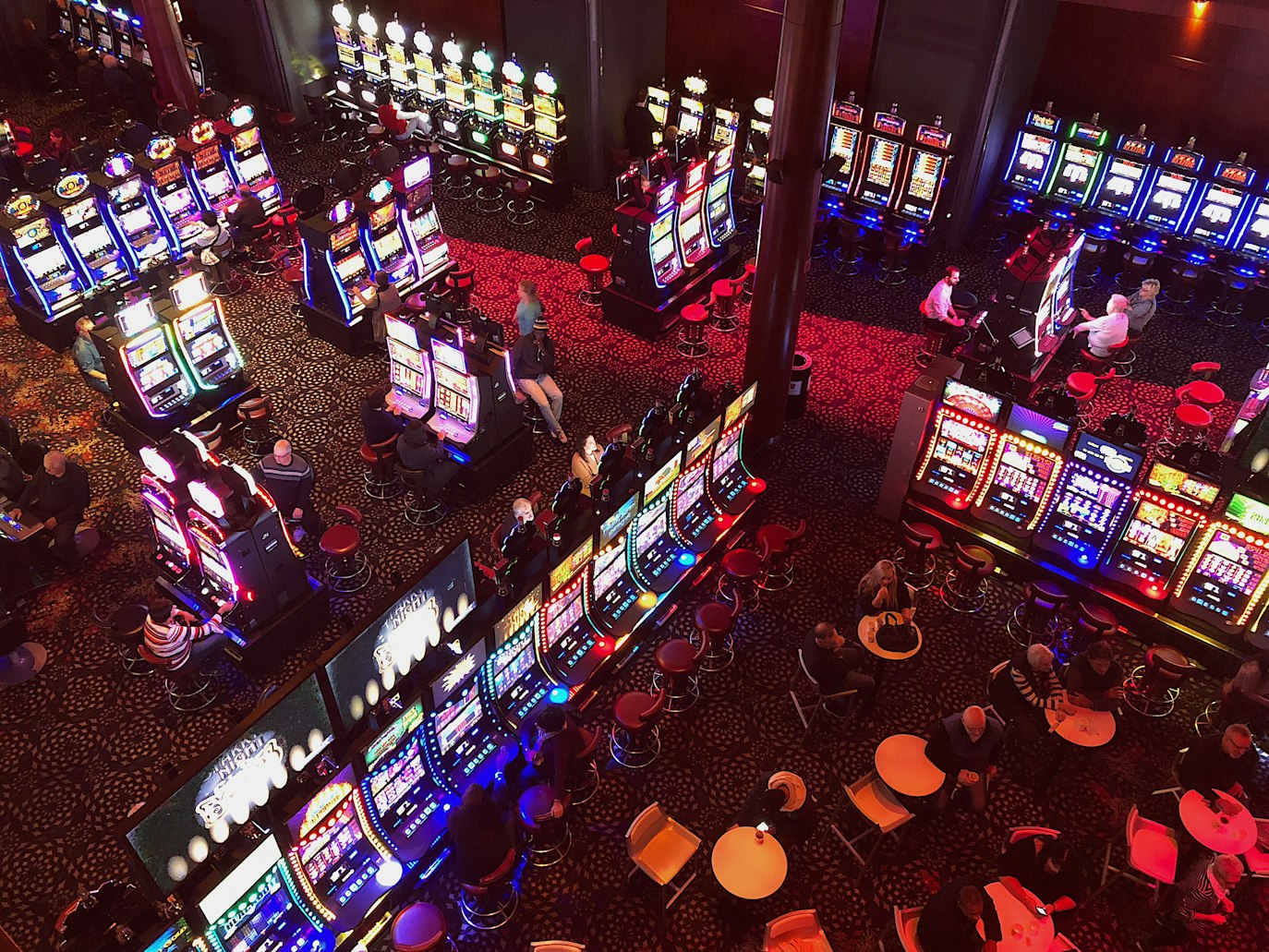
As societies evolved, so did the perception of gambling and its associated establishments. In the 19th century, casinos became synonymous with luxury and leisure, attracting wealthy patrons looking for entertainment. This shift in perception transformed casinos into social hubs, reflecting the cultural values and trends of their time. The glamorous imagery of high-stakes gambling found its way into literature and film, further embedding casinos into the fabric of popular culture.
Today, the global landscape of casinos continues to evolve, with the rise of online gambling platforms and digital technologies. This shift has broadened access to gaming, allowing individuals to experience the thrill of gambling from the comfort of their homes. Such advancements have resulted in discussions about the social implications of gambling, including concerns regarding addiction and responsible gaming practices. The historical context of casinos reveals how deeply they are intertwined with societal changes over the centuries.
Economic Contributions of Casinos
The economic impact of casinos on local and national economies is substantial. Casinos generate significant revenue through taxation, which can be utilized for public services such as education, healthcare, and infrastructure development. For example, in many states in the United States, gaming taxes provide essential funding for schools and community programs. This creates a symbiotic relationship where casinos support local economies while simultaneously benefiting from community patronage.
Moreover, casinos provide employment opportunities to thousands of individuals, ranging from dealers and hospitality staff to managerial positions. This job creation extends beyond the casino floor, as surrounding businesses, including hotels, restaurants, and entertainment venues, experience growth due to increased tourism. Cities like Las Vegas and Atlantic City serve as prime examples of how a flourishing casino industry can transform an economy, attracting millions of visitors each year and sustaining a vibrant local culture.
However, the economic advantages of casinos must also be balanced with potential negative impacts, such as increased rates of gambling addiction and social issues associated with excessive gambling. Policymakers are tasked with ensuring that the economic benefits do not overshadow the need for responsible gaming measures. Striking this balance is crucial for sustaining the positive economic contributions while mitigating adverse social consequences.
Social Dynamics and Community Impact
Casinos play a pivotal role in shaping social dynamics within communities. They act as social gathering places where individuals from diverse backgrounds come together, fostering interaction and cultural exchange. This mingling can lead to increased social cohesion and a sense of community belonging. Many casinos also host events, concerts, and cultural celebrations, further integrating themselves into the social fabric of their locations.
On the flip side, casinos can also perpetuate negative stereotypes and social issues. The gambling environment can attract individuals struggling with addiction, leading to personal and familial crises. As such, the presence of casinos in a community often sparks debates about the moral implications of gambling and its effects on individuals’ lives. Responsible gaming initiatives are essential to address these concerns and promote healthy gambling habits within the community.
Furthermore, the impact of casinos extends to the local culture, influencing everything from fashion trends to culinary experiences. The glitz and glamour associated with casinos often inspire local businesses, leading to a unique cultural identity centered around entertainment and leisure. This dynamic interplay highlights the dual nature of casinos as both catalysts for community engagement and potential sources of societal challenges.
Influence on Popular Culture
Casinos have long been a prominent theme in popular culture, influencing literature, film, and music. The allure of gambling, with its associated risks and rewards, serves as a compelling narrative device in countless stories. Classic films like “Casino Royale” and “Ocean’s Eleven” showcase the intrigue and drama surrounding casinos, effectively capturing audiences’ imaginations. Such portrayals not only entertain but also shape public perceptions of casinos and gambling.
Moreover, the impact of casinos on popular culture can be seen in the music industry, where songs celebrating the thrill of gambling resonate with audiences. Artists often use casino imagery as a metaphor for risk and excitement in life. This cultural representation reinforces the significance of casinos as symbols of fortune and chance, embedding them deeper into societal consciousness.
As technology advances, the influence of casinos in popular culture continues to expand. Online gaming and live-streamed gambling experiences have generated new narratives and discussions around the digital gambling experience. These modern interpretations further illustrate how casinos adapt to societal changes while remaining a fixture in popular culture, highlighting their enduring significance in contemporary society.

Conclusion and Future of Casinos
The cultural impact of casinos is multi-faceted, encompassing historical, economic, social, and cultural dimensions. As society continues to evolve, so too will the role of casinos within it. The ongoing dialogue surrounding responsible gaming and the need for effective regulatory measures underscores the importance of balancing economic benefits with social responsibility. Casinos must adapt to the changing landscape of technology and consumer behavior to remain relevant while addressing the challenges they pose.
As we look to the future, it is essential for stakeholders, including policymakers and casino operators, to collaborate in creating environments that promote responsible gaming practices. By doing so, they can ensure that casinos continue to thrive as cultural and economic institutions that enrich communities while minimizing potential harm.
Overall, casinos will likely remain a significant aspect of society, influencing economic trends, shaping social dynamics, and permeating popular culture for years to come. Their significance is deeply rooted in the human experience, making them an enduring topic of exploration and discussion.
